Compare wood, composite, and PVC decking, plus resurfacing, maintenance, and Minnesota weather considerations for your next deck project.
Choose the deck surface and the structure together
The best deck floor covering for a Minnesota home depends on the condition of the framing, the amount of sun and moisture it receives, and how much upkeep you want. Pressure-treated wood can keep the initial material budget lower. Cedar offers natural character. Composite and PVC are worth considering when reducing refinishing work is a priority.
Start by distinguishing new decking boards from a covering placed over old boards. A rug, coating, or interlocking tile cannot repair a deteriorated deck. Covering damage can also make inspection harder. For an existing deck, have its structure evaluated before choosing a new surface.
Pressure-treated wood
Pressure-treated decking is a practical option when initial cost matters and you are comfortable with routine cleaning and periodic finishing. Select lumber intended for the application and compatible fasteners. Treatment does not make boards immune to splitting, movement, or surface wear. Check the coating manufacturer's moisture requirements before staining new boards; a calendar alone does not tell you when they are ready.
Cedar and other natural wood
Cedar suits homeowners who prefer real grain and a softer, natural appearance. Decide whether you want to preserve a stained color or allow weathering, then budget for the associated care. Cedar can still develop checks, splinters, and worn spots. Other woods should be selected for exterior decking use, local availability, and a maintenance routine you can sustain. Do not assume an indoor wood flooring product belongs outdoors.
Composite decking
Composite boards combine wood-based material with plastic; capped products add a protective outer layer. They offer a consistent appearance without the same staining routine as wood, but still need cleaning. Compare actual product lines for color, texture, warranty exclusions, and approved installation details rather than treating all composite boards as interchangeable.
PVC decking
PVC decking uses a polymer core rather than a wood-plastic blend. It can be useful where moisture exposure and reduced refinishing are priorities. Product-specific fastening, expansion allowances, and framing requirements still matter. Check samples outdoors: color and sun exposure affect how a surface feels under bare feet.
Compare the options beyond the board price
| Material | Best fit | Care and planning tradeoff |
|---|---|---|
| Pressure-treated wood | Lower initial material spending | Plan for cleaning, finishing, and individual board repairs. |
| Cedar | Natural grain and wood character | Decide on a finish or weathered appearance; monitor surface wear. |
| Composite | Consistent color with less refinishing | Compare installed cost and product-specific care requirements. |
| PVC | Polymer decking with no wood core | Confirm thermal movement, fasteners, and substructure compatibility. |
These are planning comparisons, not price quotes. Framing repairs, stairs, railings, demolition, and access can change the project more than the difference between two board selections. Explore Brewer Built's deck material options with the complete scope in mind.
Can you resurface your existing deck?
Resurfacing makes sense only when the retained structure is suitable for continued use and the new decking. An evaluation should include posts, footings, beams, joists, ledger attachment, flashing, connectors, stairs, and guard connections. A deck that looks sound from above may have hidden deterioration at connections.
Different decking products and board directions can require different joist spacing or additional blocking. Follow the selected product's installation guide; do not assume the existing frame is ready for any replacement board. TimberTech's installation overview explains why level framing and correct support matter.
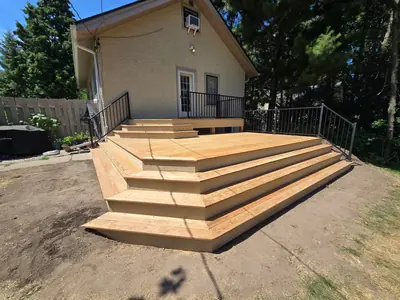
Brewer Built's Edina extension and resurfacing project combines TimberTech decking, new railings, and updated stairs. It illustrates how surface replacement can be coordinated with other improvements; it does not establish that another home's framing is reusable.
Plan for moisture, snow, and freeze-thaw cycles
Keep drainage paths and board gaps clear of leaves and debris. A surface that stays damp under a planter or rug needs attention regardless of the decking material. Confirm that accessories and mats are compatible with the finish, and move them periodically to inspect and clean beneath them.
In Minnesota, meltwater can refreeze on walking surfaces. No deck material eliminates slippery ice. Compare texture in wet conditions, keep stairs and walking paths clear, and use only snow-removal tools and deicers approved by the decking manufacturer. Avoid scraping techniques that gouge boards or damage caps.
Look below the deck as well. Poor drainage near posts and the home deserves attention before a new surface goes down. Repeated seasonal movement or a deck pulling away from the house calls for a structural evaluation, not a cosmetic covering.
Bring these questions to your deck planning meeting
- Is this a new structure, a resurfacing project, or a full rebuild?
- How much direct sun, shade, and roof runoff reaches the deck?
- What cleaning and refinishing work are you willing to do?
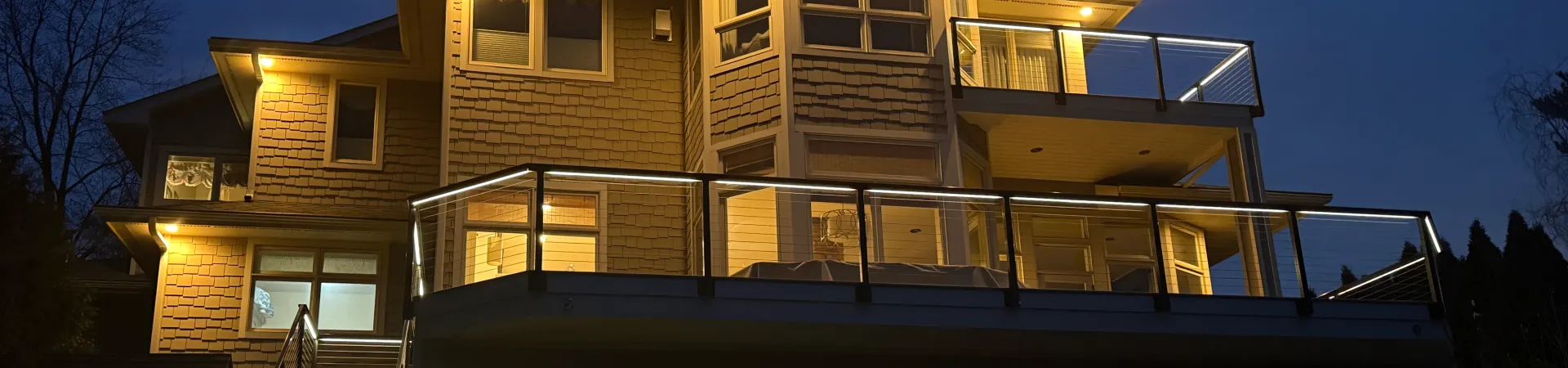
- Will stairs, rails, lighting, or drainage work be included?
- Does the installed estimate include required framing changes and disposal?
Professional installation is especially useful when the frame needs repair, the deck is elevated, or replacement materials change the fastening and support details. Brewer Built's deck building services can help you turn material preferences into a complete project plan.