Decking Materials That Actually Hold Up Over Time

Wood, Composite, and PVC Decking Options

What We Build With

Deck Materials That Fit the Home, Budget, and Long-Term Plan

The material you choose is what decides how your deck actually holds up. Not just how it looks the day it’s built, but how it performs a few years in.

A lot of decks look good at first. The difference shows up later when boards start wearing out, finishes fail, or the upkeep becomes something you don’t want to deal with. That’s where material choice either pays off or causes problems.

We build with wood, composite, and PVC because every home is different. Some projects make sense with real wood and a lower upfront cost. Others are better off with materials that hold up longer and require less maintenance. The right choice depends on how you plan to use the space and how you want it to age over time.

Material Options

How to Choose the Right Decking Material

We don’t push the same material on every project. Some homes make more sense with wood. Others are a better fit for composite. And in some cases, going with PVC is worth it if you want the least upkeep and the longest lifespan.

Most of the time, it comes down to three things: your budget, how you want it to look, and how much maintenance you’re willing to deal with over time. There’s no “best” option across the board. It depends on how you plan to use the space and what you expect from it long term.

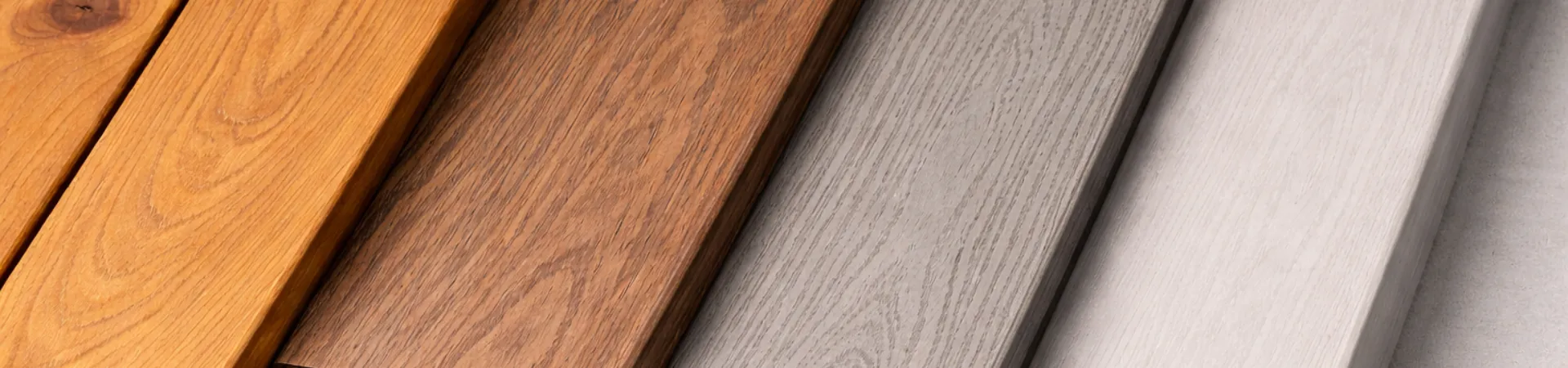
If you’re not sure, that’s normal. Seeing samples, comparing colors, and talking through the pros and cons usually makes the right choice pretty clear once you can picture it on your home.

Wood vs Composite vs PVC

Each Material Has Its Place. The Right One Depends on What You Care About

There’s no single “best” option here. Wood, composite, and PVC all solve different problems. The right choice depends on whether you care more about natural appearance, upfront cost, low maintenance, or long-term durability.

Feature Wood Composite PVC
Upfront Cost Usually lowest Mid-range Usually highest
Maintenance Highest Low Very low
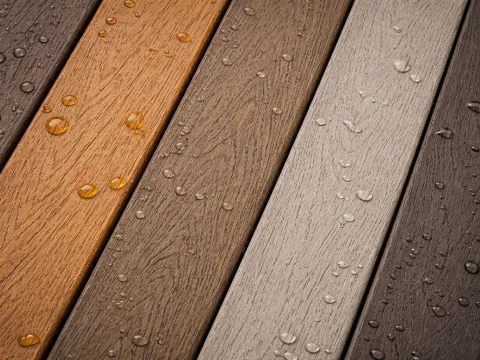
Moisture Resistance Depends on upkeep Strong Maximum
Appearance Most natural Wood-look with consistency Cleanest, more engineered finish
Best Fit Traditional look and tighter budget Best balance for most homes Premium low-maintenance builds
Long-Term Goal Natural deck with regular upkeep Better value with less maintenance Highest performance with least upkeep
Low-Maintenance Options

When You Don’t Want to Deal With Constant Upkeep

A lot of people like the look of wood, but not everything that comes with it. Sanding, staining, sealing… it turns into ongoing work pretty fast. That’s usually when composite or PVC starts to make more sense.

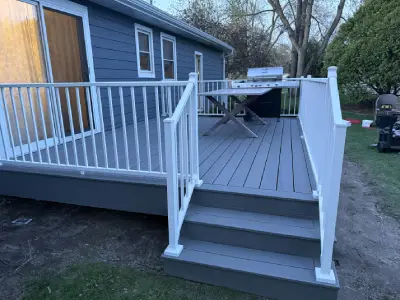
We use TimberTech on a lot of builds because it just holds up better over time. It handles moisture well, gives you solid color options, and doesn’t turn into something you have to keep dealing with every couple years. For most homes, it’s the easier way to go.

Less Maintenance Later

No ongoing staining and sealing cycle just to keep the deck looking decent.

Better Weather Resistance

These materials handle moisture, sun, and seasonal exposure better than standard wood decking.

Cleaner Overall Look

More consistent color, grain, and board layout so the deck feels finished, not pieced together.

Better Flexibility in Options

More ways to match the deck to your home and budget instead of forcing one standard solution.

Design Options

Material Choice Changes Performance. Design Choice Changes the Final Look

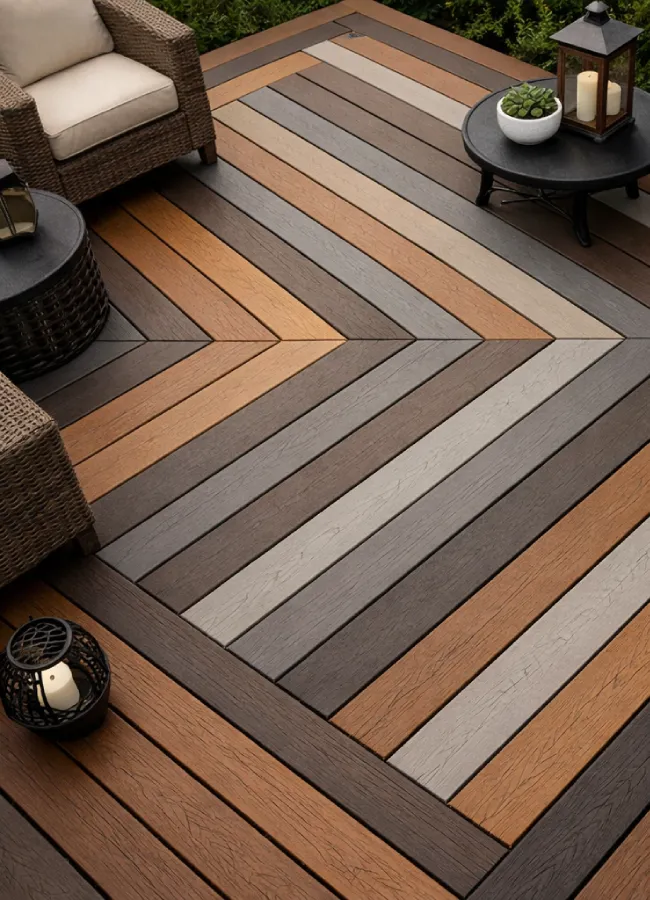
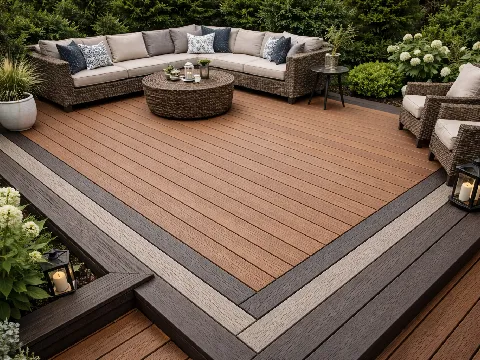
Once the material is decided, the details are what actually make the deck feel finished. Color, board width, layout, and small design choices end up making a bigger difference than most people expect.

Color and Tone

The board color can either sharpen the look of the home or make the whole deck feel flat. We help narrow that down based on the siding, trim, railing choice, and overall style of the house.

Board Width and Pattern

Multi-width layouts, breaker boards, and picture framing can make a deck feel more finished and custom without overcomplicating the project.

Texture and Grain

Some products lean more natural. Others look cleaner and more modern. That difference matters once the full deck is in place and seen against the rest of the property.

How to Choose

How You Want Your Deck to Feel and Hold Up Over Time

Most people don’t choose decking based on specs. They choose based on how they want the deck to feel a few years from now. Do you want the natural look? Less maintenance? Or something that holds up as long as possible? That’s usually what decides it.

Choose Wood

When You Want a Natural Look

Wood is the right fit if you want real lumber, a more traditional look, and a lower upfront cost — and you’re fine with the maintenance that comes with it.

Choose Composite

When You Want a Solid Balance

Composite is what most homeowners end up going with. It gives you durability, lower maintenance, and a reasonable cost without overcomplicating things.

Choose PVC

When You Want the Lowest Upkeep

PVC makes the most sense when you want the least maintenance, the strongest moisture resistance, and something that holds up long term without much effort.

If you’re stuck between them, that’s normal. Seeing samples, comparing colors, and matching the material to your layout usually makes the right choice a lot clearer.

Let’s Figure Out the Right Material for Your Deck

We’ll walk through the options, explain what actually matters for your situation, and help you land on something that fits your home, your budget, and how much maintenance you want long term.