Custom Deck Railings, Stair Railings & Railing Replacement
Railings do more than check a code box. They affect safety, define how the deck looks, and make the whole project feel finished. A good railing system should feel solid every time you grab it, line up cleanly with the deck, and hold up through daily use and Minnesota weather.
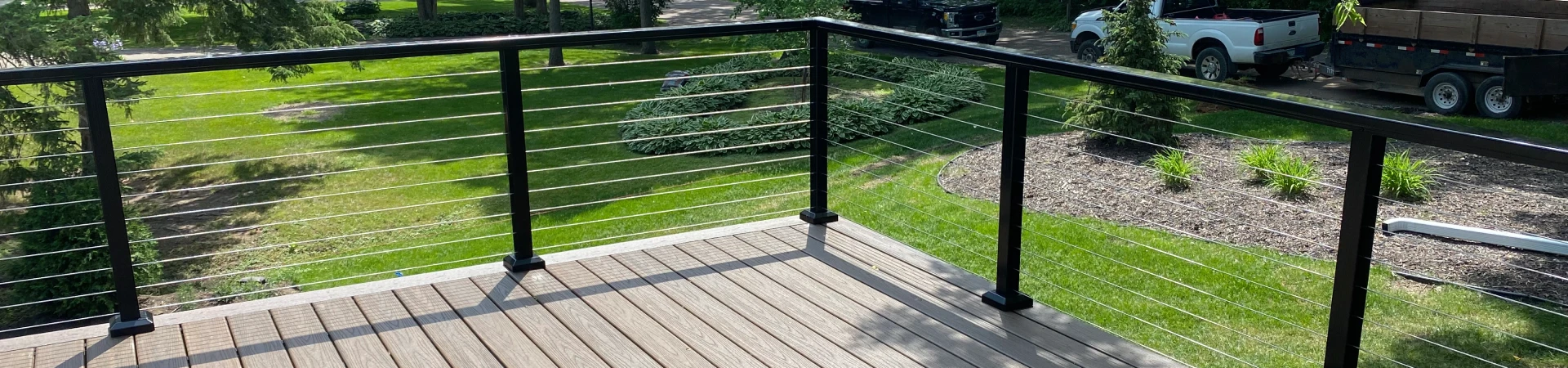
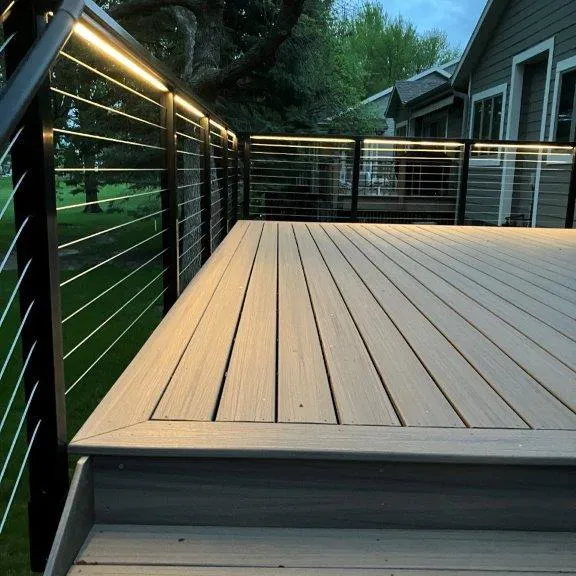
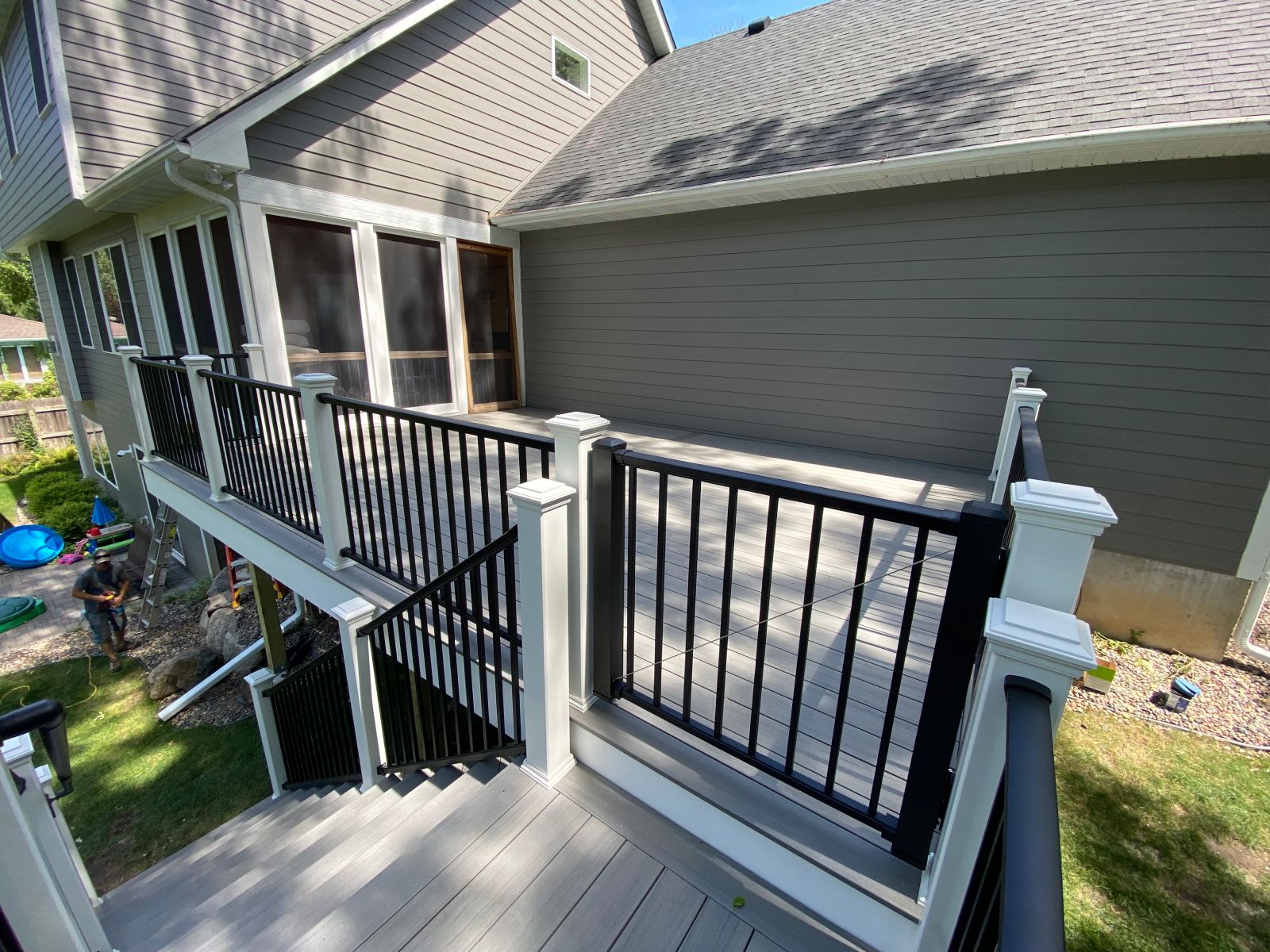
Brewer Built installs deck railings for new deck construction, deck rebuilds, stair updates, and railing replacement projects. That includes aluminum deck railings, guardrails for elevated decks, stair railings, and low-maintenance systems that pair well with composite decking and modern outdoor spaces.
See completed railing details in our Minnetonka resurfacing project and Wayzata deck project. For material tradeoffs, compare the wood, aluminum, cable, and glass railing guide before choosing a system.
Railing Projects We Handle
Some railing projects are part of a new deck build. Others focus on replacing loose rails, improving stair safety, updating the look, or fixing systems that no longer feel solid. The focus is on how the railing looks, functions, and holds up over time.
-
Railings for New Deck Builds
Integrated railing installation that fits the deck layout instead of feeling like an afterthought
-
Railings for Deck Rebuilds
New railing systems installed as part of a full deck replacement or larger structural rebuild
-
Railing Replacement
Replace old wood rails, loose sections, and worn systems with something cleaner, stronger, and more durable
-
Porch and Screen Room Railings
Rail systems that help connect deck, porch, and screened spaces in a cleaner and more finished way
-
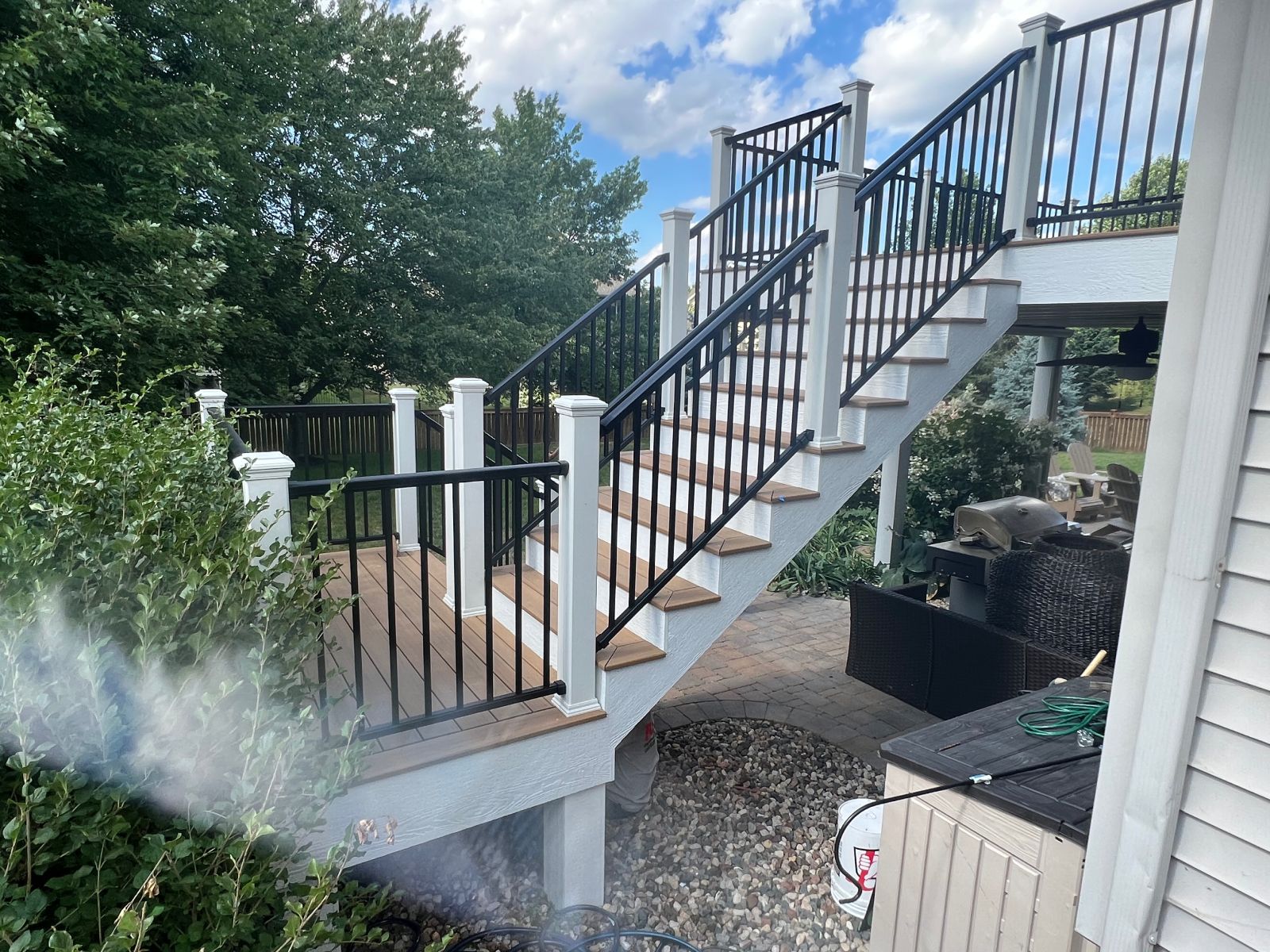
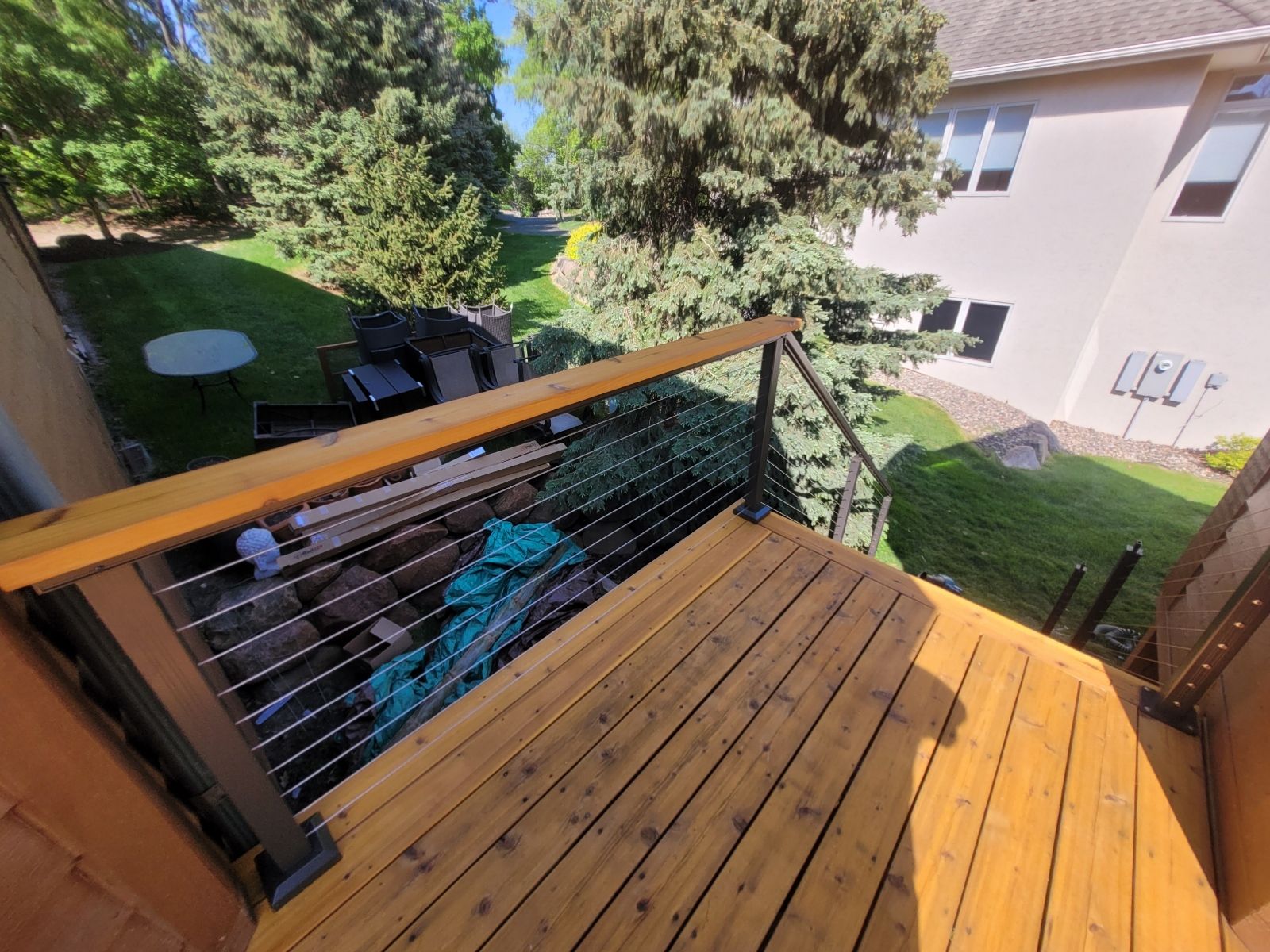
Aluminum Deck Railings
Low maintenance railing systems with clean lines and a strong fit for composite and modern decks
-
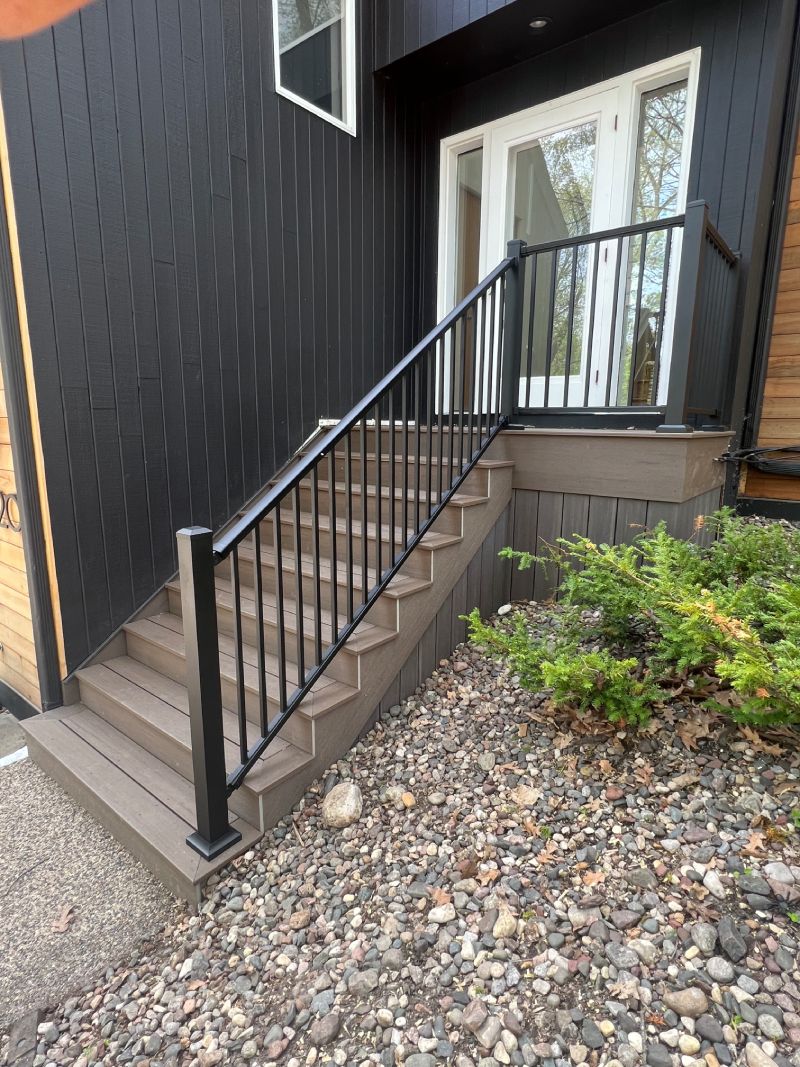
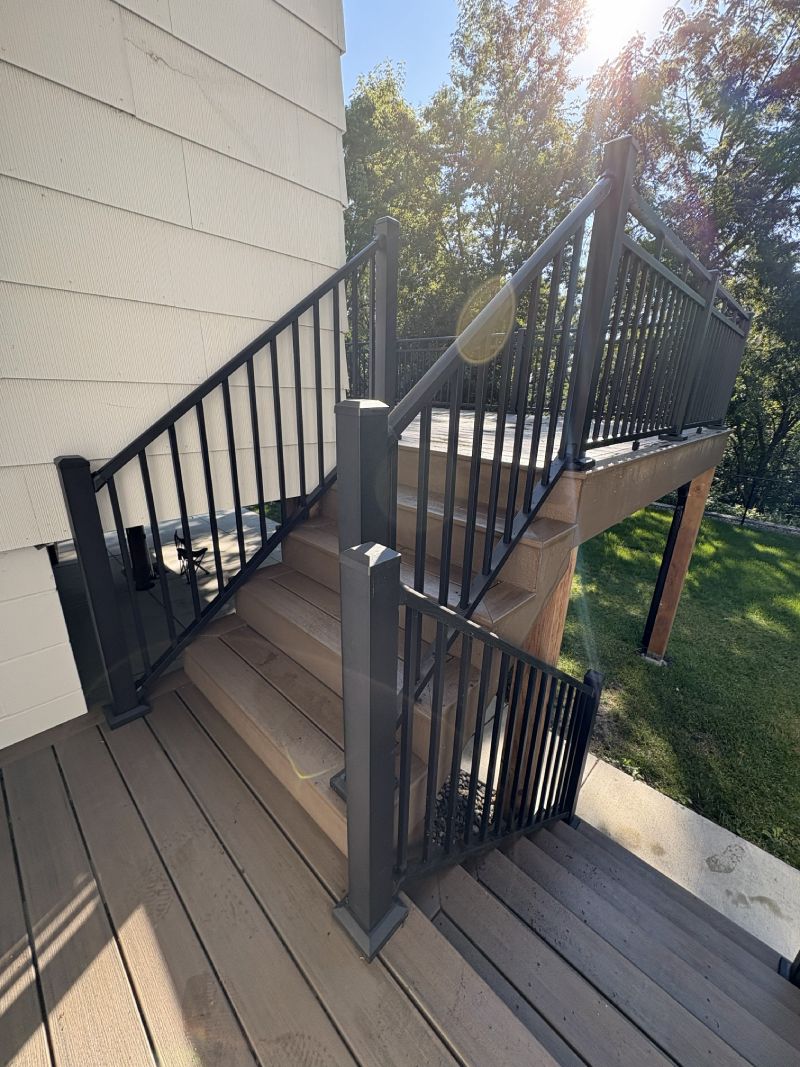
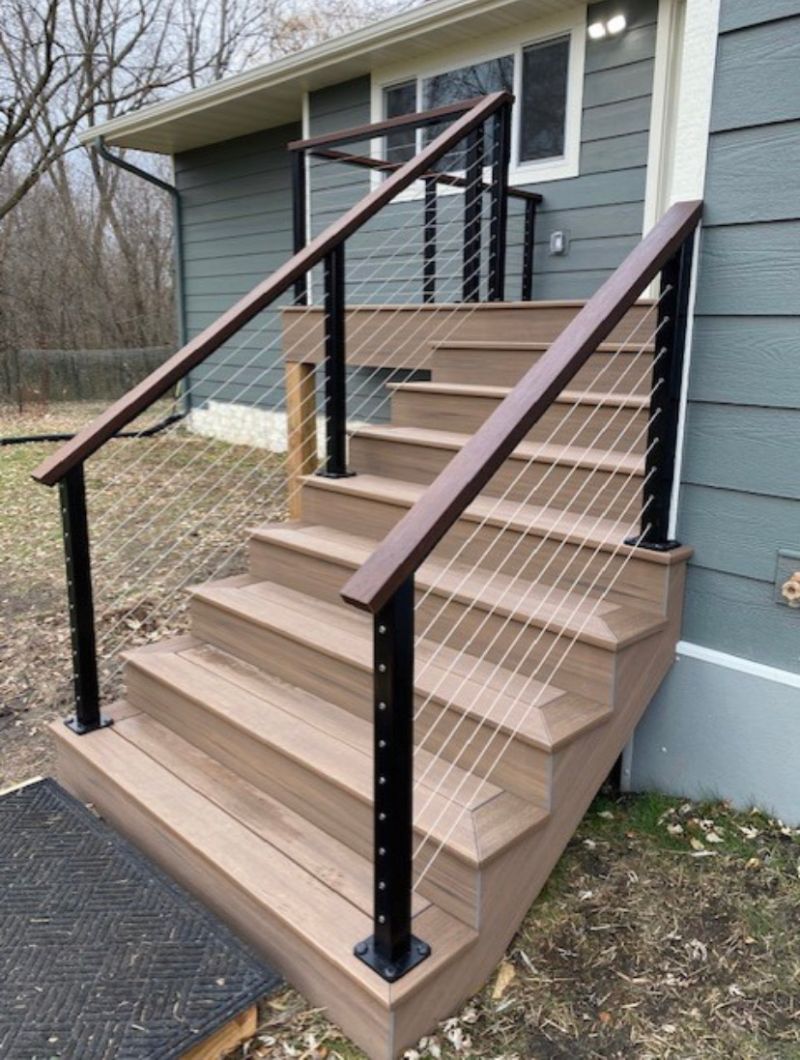
Deck Stair Railings
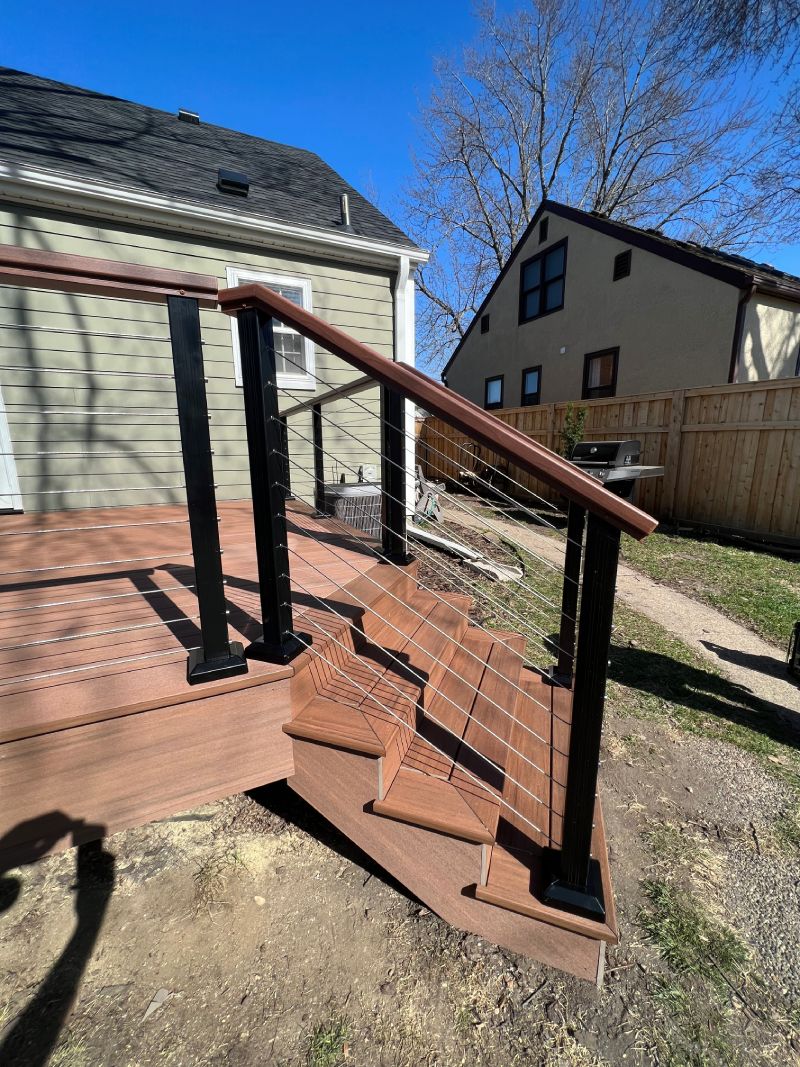
Secure stair railings that improve safety, feel solid under use, and match the rest of the deck
-
Guardrails for Elevated Decks
Code-conscious rail systems for raised decks where height, spacing, and attachment details matter
-
Wall and Post Tie Ins
Railing sections tied cleanly into the house, support posts, and transition points where details matter
-
Code Layout Corrections
Fix spacing, height, and weak attachment issues when older railings do not meet current expectations
Loose Railings, Bad Spacing, and Worn-Out Systems Usually Get Worse
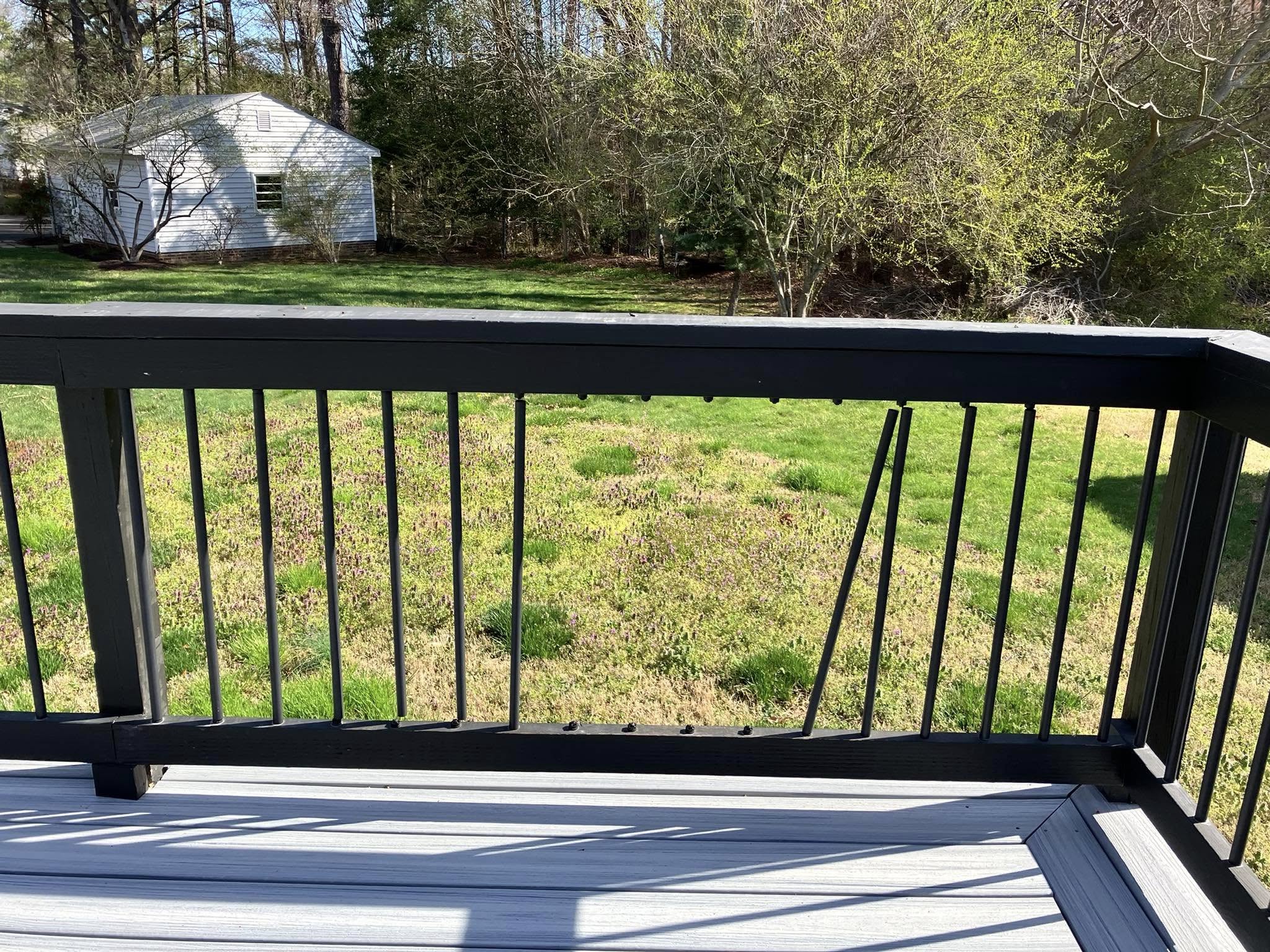
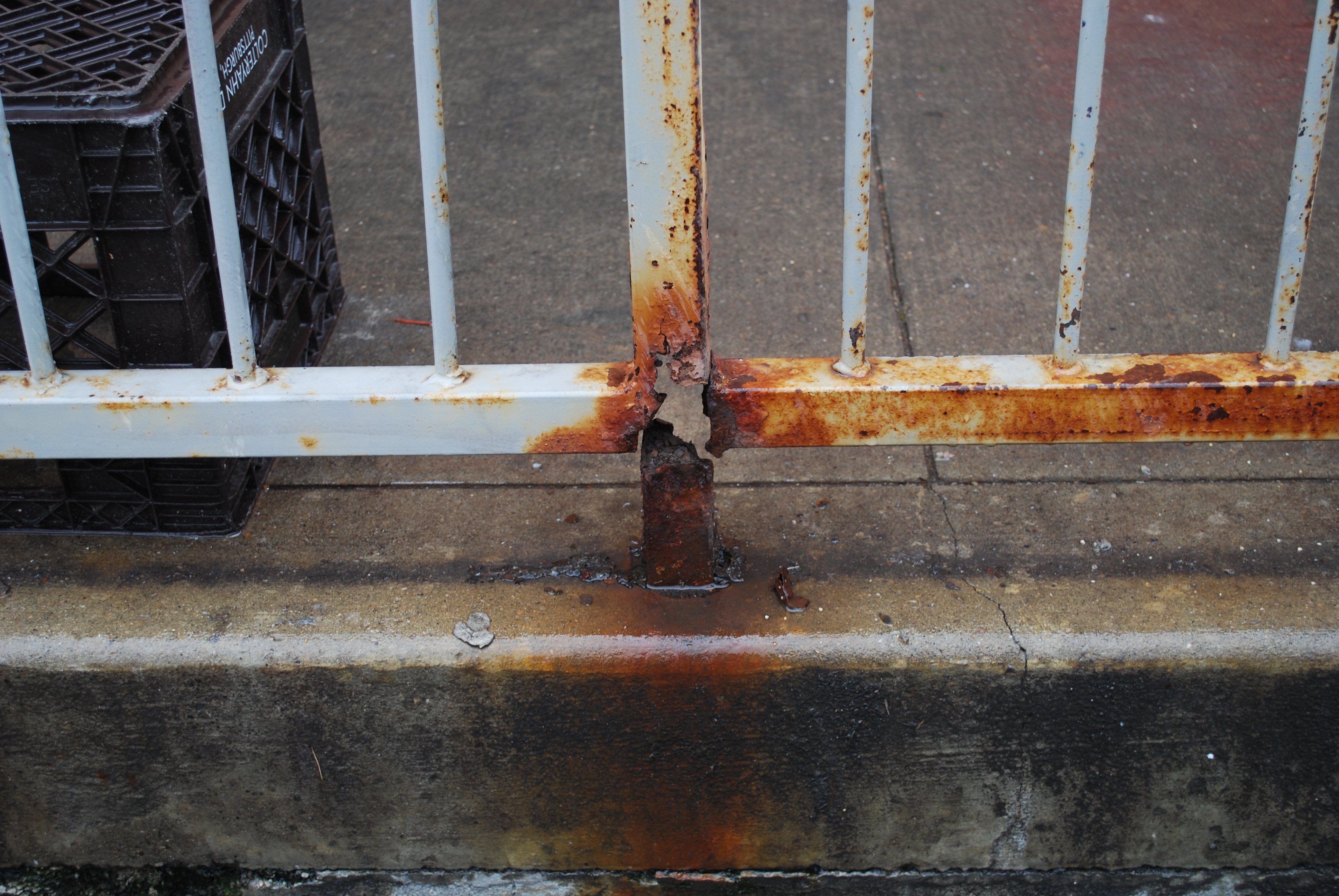
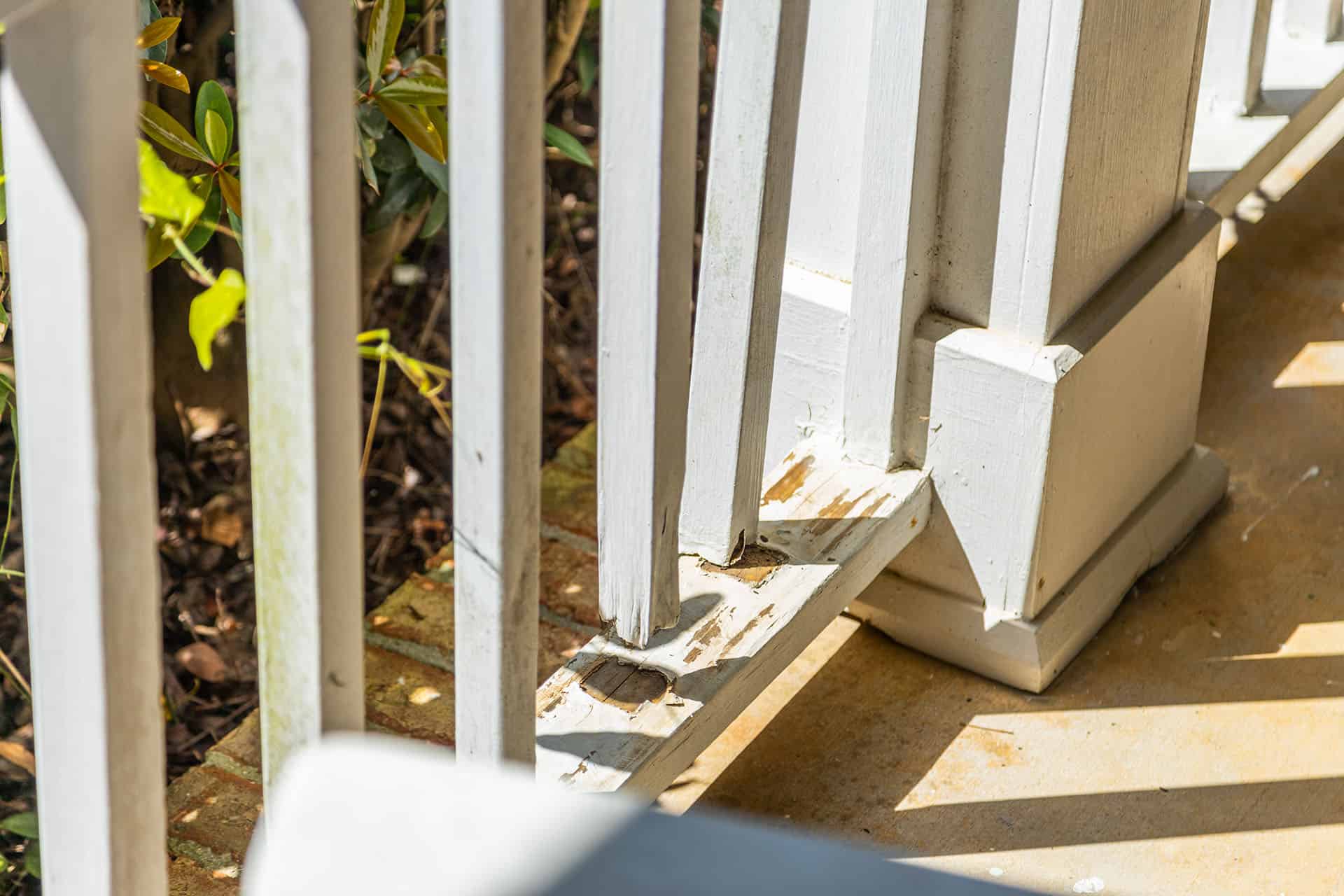
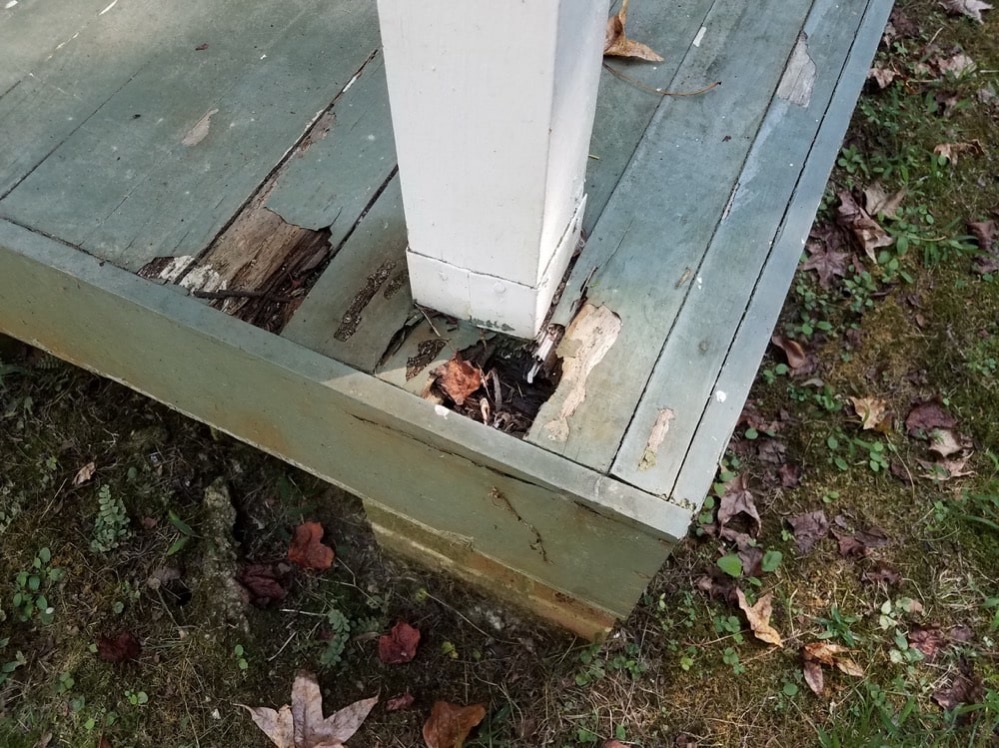
Homeowners usually wait too long on railing replacement. If the rail shakes, the posts are loose, the stair run feels awkward, or the whole system looks dated next to the rest of the deck, that is usually not a cosmetic issue only. The details underneath matter.
Brewer Built looks at the deck and railing together. Sometimes a simple railing replacement makes sense. Other times the framing, stairs, or deck surface need attention at the same time so the finished result actually holds up.
Common Reasons Homeowners Call Us
- Loose or wobbly deck railings
- Unsafe or awkward stair railings
- Old wood rails that need constant upkeep
- Outdated railings on a newer-looking deck surface
- Spacing or height issues that do not feel right
- Deck rebuilds that need a better railing system
Railings Installed Straight, Solid, and Built To Fit the Deck
A lot of railing installs get rushed because they happen near the end of the project. That is exactly where sloppy work shows up. Crooked lines, bad transitions, weak posts, awkward stair landings, and details that feel off every time you use the deck.
With Brewer Built, the goal is simple. Make the railing system look right, feel right, and work with the rest of the structure. That means thinking through spacing, attachment, stairs, sightlines, and how the final layout ties into the deck as a whole.
Clean Layout and Alignment
We pay attention to post spacing, rail runs, stair transitions, and how the system looks from every angle.
Safety Built In
Height, spacing, grip, and attachment details matter. We build with that in mind from the start.
Built Around the Deck
The railings should match the deck layout, not fight against it or look like they were added later.
Less Maintenance Later
We regularly install low-maintenance railing systems that hold up better and cut down on upkeep.
Built Right. Built to Last.
Real projects built for homeowners across the Southwest Metro
Common Questions About Deck Railing Installation
These are the questions homeowners usually ask before replacing deck railings or adding a new railing system to a deck project.
When should deck railings be replaced?
Railings should be replaced when they feel loose, show rot, no longer fit the deck, or do not feel safe on stairs and elevated areas.
Sometimes the problem is just the railing system. Other times the stairs, framing, or deck surface need attention too. We look at the whole setup before recommending the fix.
What is the best low-maintenance deck railing option?
Aluminum deck railings are one of the most common low-maintenance options because they stay cleaner, hold up well, and work with a lot of deck styles.
The right choice still depends on the layout, stairs, deck material, and the look you want the finished space to have.
Can you replace railings without replacing the whole deck?
Yes, sometimes. If the deck framing and surface are still in good shape, a railing replacement can make sense on its own.
If the structure underneath is failing or the deck layout needs work, it usually makes more sense to address those issues at the same time.
Do deck railings have to meet code?
Yes. Height, spacing, stair transitions, and how the railings are attached all matter.
We build with those details in mind so the system feels solid and the project does not turn into a callback later.
Can new railings be added to a composite deck?
Yes. New railings are often installed on composite deck projects, especially when a deck is being resurfaced or upgraded.
The key is making sure the posts, attachment points, and stair details are handled the right way for the structure underneath.
Let’s Get the Railings Right the First Time
Whether you need new deck railings, stair railings, or a full railing replacement, Brewer Built will help you choose a system that looks right, feels solid, and fits the deck it is going on.
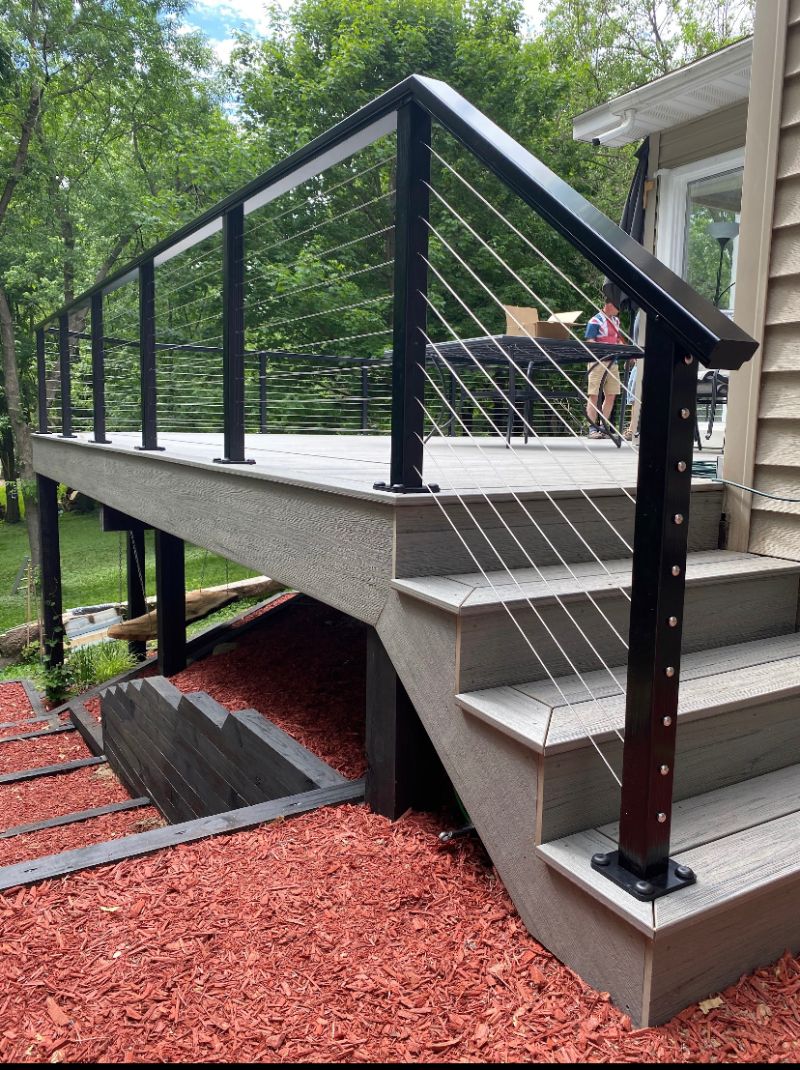
Compare wood, aluminum, cable, and glass deck railing options before choosing a system.